It’s over.
It doesn’t feel over.
You may understand what happened and still feel your body respond before you have words for it.
A conversation, a place, or a familiar tone of voice might bring up fear, shame, tension, or an urge to shut down. You know you’re in a different situation now, yet it can be difficult to feel that difference.
My trauma-informed approach makes room for both your story and how you experience it in your body. Talk therapy, EMDR, and somatic practices offer different ways to explore memories, emotions, beliefs, and protective responses, guided by your needs, readiness, and sense of safety.
We begin with support, preparation, and a pace you have a say in.
Eye Movement Desensitization and Reprocessing is a structured psychotherapy approach used to help process distressing experiences and the meanings connected to them.
EMDR involves more than eye movements. It includes understanding your history, beliefs, identifying goals, preparing for the work, processing selected memories, and reviewing how you’re feeling afterward.
During memory processing, you attend to aspects of an experience while engaging in bilateral stimulation—such as guided eye movements or alternating taps. The aim is to reduce the distress associated with the memory and support a shift in beliefs such as “It was my fault,” “I’m powerless,” or “I’m not safe.”
The experience remains part of your history, but it may become less distressing and overwhelming in the present.
What Is EMDR?
A Trauma-Informed Approach
Experiences that overwhelmed your ability to cope can affect trust, relationships, self-worth, and responses to stress. You don’t have to compare your experience with someone else’s to explore its impact.
Being trauma-informed means approaching that work with attention to safety, choice, collaboration, and your individual context. We consider both what has been painful and the strengths and protective strategies that helped you through it.
We begin by building support and readiness. You have a voice in the pace, and we can pause, adjust, or return to grounding when needed.
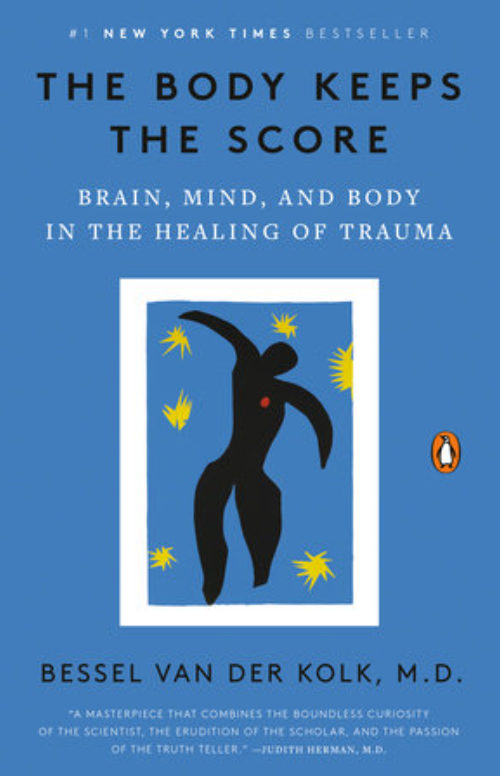
Paying attention to your body.
Bessel van der Kolk’s The Body Keeps the Score explores how trauma can affect both mind and body—helping give language to why understanding an experience intellectually may not fully ease its emotional or physical impact.
This perspective connects with my attention to the whole person: your story, relationships, emotions, and bodily responses. Alongside conversation, we may draw on EMDR and somatic practices to explore what helps you feel more present and supported.
You don’t need to read the book before starting therapy. We begin with your experience.
Sometimes your shoulders tell you how stressed you are before you find the words.
Somatic practices bring attention to bodily experiences—tension, breathing, restlessness, numbness, or a sense of settling. They offer another source of information about what you’re feeling and what helps you stay present.
Depending on your needs, we may incorporate:
Grounding and orienting to your surroundings
Noticing sensations without forcing them to change
Gentle movement or breathing practices, when helpful
Recognizing signs of activation or shutdown
Identifying what helps you feel supported and more able to choose your response
These practices can complement both talk therapy and EMDR. We explore them collaboratively, paying attention to what feels useful and comfortable for you.
Somatic Practices
Our work may address distressing memories, grief and loss, relationship experiences, shame, negative self-beliefs, or reactions that feel connected to earlier experiences.
Together, we assess whether EMDR is appropriate and how it fits within your broader therapy. Sometimes preparation and strengthening coping skills are the focus. Sometimes another approach is a better fit.
What Can We Explore?
We start with a conversation about your experiences, current concerns, and hopes for therapy. Before memory processing, we develop ways to manage distress and discuss the process so you can make informed choices.
You don’t always need to describe every detail aloud, although we do need enough information to plan and support the work. Sessions include attention to how you’re feeling and time to help you settle before we finish.
I bring warmth, curiosity, and care to this process. There is room for words, feelings, physical sensations, and moments when you don’t quite know what you’re noticing yet.
It’s your experience.
It’s your pace.
EMDR Session Consult ⟶
Explore More of My Therapeutic Approach ⟶